




Depression can make even the simplest parts of life feel overwhelming for a teenager. What may appear as irritability, isolation, declining grades, or a loss of motivation can often be signs of a deeper mental health struggle. Without professional support, depression can affect a teen’s emotional development, relationships, academic success, and overall quality of life.
At New Pathway Behavioral Health, we provide specialized depression treatment for adolescents in New Jersey, helping teens navigate the challenges of depression, co-occurring mental health disorders, and substance use concerns. Our comprehensive treatment approach combines evidence-based therapies, family involvement, psychiatric support, and holistic wellness strategies designed specifically for adolescents.
Our goal is to help teens regain hope, build resilience, and develop the skills needed to thrive long after treatment ends.
Depression is more than sadness or a bad mood. It is a serious mental health condition that affects how a teen thinks, feels, behaves, and experiences the world around them.
While every adolescent experiences emotional ups and downs, depression is characterized by persistent symptoms that interfere with daily functioning and remain present for weeks or months.
Teen depression can impact:
The good news is that depression is highly treatable, especially when identified and addressed early.
Depression often presents differently in adolescents than it does in adults. Many teens may not openly express feelings of sadness and instead demonstrate behavioral or emotional changes.
Common symptoms of adolescent depression include:
If your teen has experienced multiple symptoms for more than two weeks, professional evaluation and support may be needed.
There is rarely a single cause of adolescent depression. Instead, depression often develops through a combination of biological, environmental, psychological, and social factors.
Teens with a family history of depression or other mental health disorders may have an increased risk of developing depression themselves.
Changes in neurotransmitters that regulate mood can contribute to depressive symptoms.
Many adolescents face significant stress related to school performance, extracurricular activities, social expectations, and future planning.
Constant comparison, cyberbullying, social pressures, and excessive screen time may contribute to emotional distress for some teens.
Experiences such as bullying, grief, family conflict, abuse, neglect, or major life changes can increase vulnerability to depression.
Depression frequently occurs alongside anxiety disorders, trauma-related disorders, ADHD, eating disorders, and substance use disorders.
Depression and substance use often occur together in adolescents.
Many teens struggling with depression may use drugs or alcohol in an attempt to:
Unfortunately, substance use often worsens depressive symptoms over time and can increase the risk of addiction, self-harm, and other serious consequences.
At New Pathway Behavioral Health, we provide integrated dual diagnosis treatment that addresses both depression and substance use simultaneously, supporting a stronger foundation for long-term recovery.
Many parents struggle to determine whether their teen is simply going through a difficult phase or experiencing clinical depression.
Professional support may be beneficial if your teen:
Early intervention can significantly improve outcomes and reduce the long-term impact of depression.
Every adolescent’s experience with depression is unique. That’s why our treatment plans are individualized to meet each teen’s emotional, behavioral, academic, and family needs.
Treatment begins with a thorough evaluation that examines:
This assessment allows our team to create a personalized roadmap for recovery.
CBT is one of the most effective treatments for adolescent depression.
Through CBT, teens learn how to:
CBT helps adolescents recognize the connection between thoughts, emotions, and behaviors, empowering them to create lasting positive change.
DBT provides practical skills that help teens manage overwhelming emotions and navigate life’s challenges more effectively.
DBT focuses on:
DBT can be especially helpful for teens experiencing depression alongside self-harm, suicidal ideation, or intense emotional distress.
Families play a critical role in a teen’s healing process.
Family therapy helps:
Parents and caregivers gain valuable tools to support their teen’s recovery while also receiving guidance and education throughout treatment.
Peer support can be a powerful component of treatment.
Group therapy provides opportunities for teens to:
Many adolescents find comfort in knowing they are not alone in their experiences.
For some teens, medication may be recommended as part of a comprehensive treatment plan.
Our psychiatric team carefully evaluates each adolescent and provides ongoing monitoring when medication is appropriate.
Medication decisions are made collaboratively with families and are integrated alongside therapeutic interventions to maximize treatment effectiveness.
Effective depression treatment addresses the whole person.
Our holistic approach may include:
These supportive services help teens build healthier routines and strengthen overall emotional well-being.
Depression is highly treatable, and outcomes are often strongest when treatment begins early.
Early intervention can help teens:
The sooner treatment begins, the sooner healing can start.
Families throughout New Jersey trust New Pathway Behavioral Health because we provide:
Our mission is to help teens move beyond depression and build a healthier, more hopeful future.
If your teen is struggling with depression, isolation, hopelessness, or co-occurring substance use, professional treatment can make a meaningful difference.
At New Pathway Behavioral Health, we provide compassionate, evidence-based care that helps adolescents heal emotionally, reconnect with their strengths, and develop the skills needed for long-term success.
Contact our admissions team today to learn more about our adolescent depression treatment program in New Jersey, verify insurance benefits, and explore treatment options for your family.
We accept most major insurance plans to make treatment more accessible.

Chat live with a treatment advisor to confirm your insurance benefits and explore your treatment options.
Get clear answers to frequently asked questions about treating teen depression, including how the process works, what to expect, and how to support long-term recovery.
While mood changes are common during adolescence, depression involves persistent symptoms that last for at least two weeks and significantly affect daily functioning, relationships, school performance, or overall well-being.
Common symptoms include persistent sadness, irritability, loss of interest in activities, social withdrawal, sleep problems, fatigue, difficulty concentrating, changes in appetite, and feelings of hopelessness.
Depression can develop due to a combination of genetic factors, brain chemistry, trauma, chronic stress, social challenges, family dynamics, and co-occurring mental health conditions.
Yes. Many teens use drugs or alcohol as a way to cope with emotional pain or depressive symptoms. When depression and substance use occur together, both conditions should be treated simultaneously through dual diagnosis care.
Evidence-based therapies such as Cognitive Behavioral Therapy (CBT), Dialectical Behavior Therapy (DBT), family therapy, and group therapy are among the most effective treatment approaches for adolescent depression.
Not every adolescent requires medication. Treatment recommendations are based on a comprehensive psychiatric evaluation and individualized treatment needs.
Family involvement is a critical component of recovery. Family therapy helps improve communication, strengthen support systems, and create a healthier home environment that supports long-term healing.
Yes. Without treatment, depression can increase the risk of academic struggles, relationship difficulties, substance use, self-harm, and suicidal thoughts. Early intervention is strongly recommended.
Many insurance plans provide coverage for adolescent mental health treatment. Our admissions team can verify benefits and explain available options.
Contact New Pathway Counseling for a confidential consultation. Our team can answer your questions, discuss treatment options, verify insurance, and help determine the best path forward for your teen and family.

Our medically supervised detox program in New Jersey provides 24/7 clinical monitoring to help individuals safely withdraw from drugs or alcohol. Using evidence-based protocols and medication-assisted support when appropriate, our medical team focuses on stabilizing withdrawal symptoms and preparing individuals for the next stage of recovery.

Residential treatment provides 24-hour clinical care in a structured recovery environment. Individuals receive therapy, medical support, and recovery education designed to help them build healthy routines and a strong foundation for long-term sobriety.

Our Intensive Outpatient Program offers structured addiction treatment while allowing individuals to live at home and maintain daily responsibilities. Through therapy, skill-building, and clinical support, IOP helps individuals continue strengthening their recovery after detox or residential care.
Guardian Recovery offers a full continuum of care between our nationwide facilities; including PHP, IOP, and Aftercare. Explore our nationwide network of locations to learn more about our programs.
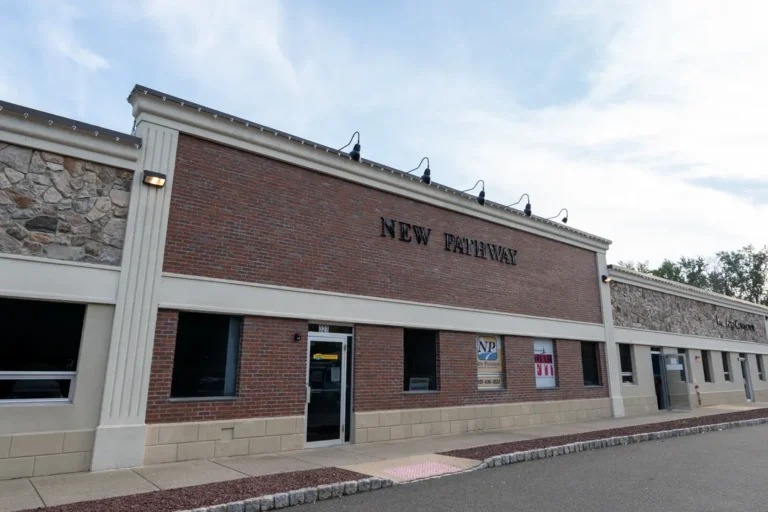
Pine Brook, NJ

Paramus, NJ
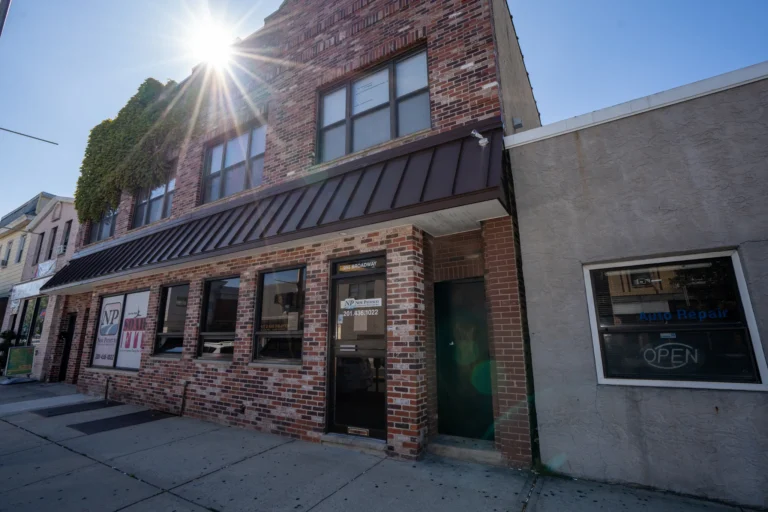
Bayonne, NJ
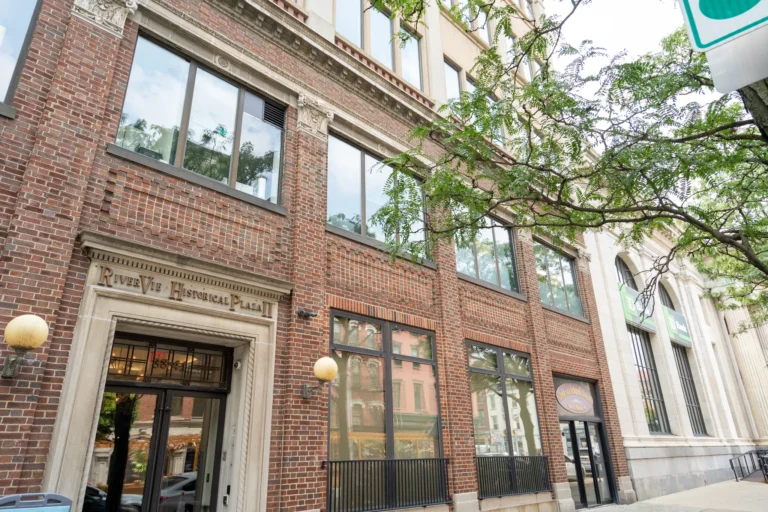
Hoboken, NJ
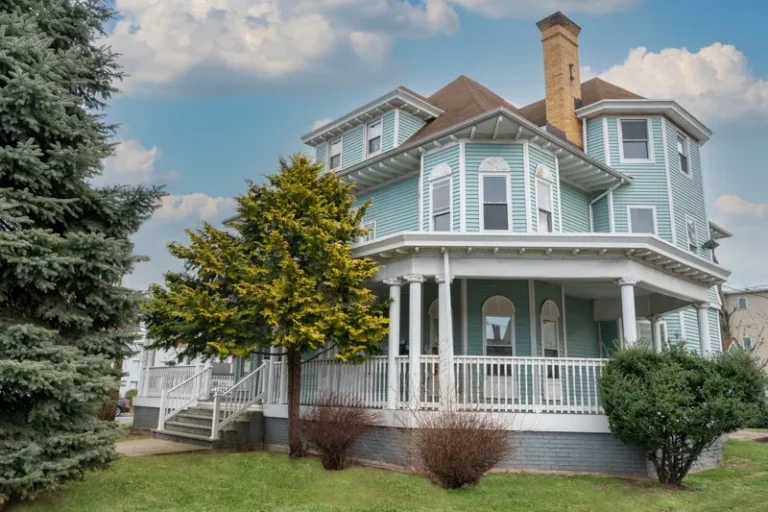
New Brunswick, NJ

Plymouth, NH
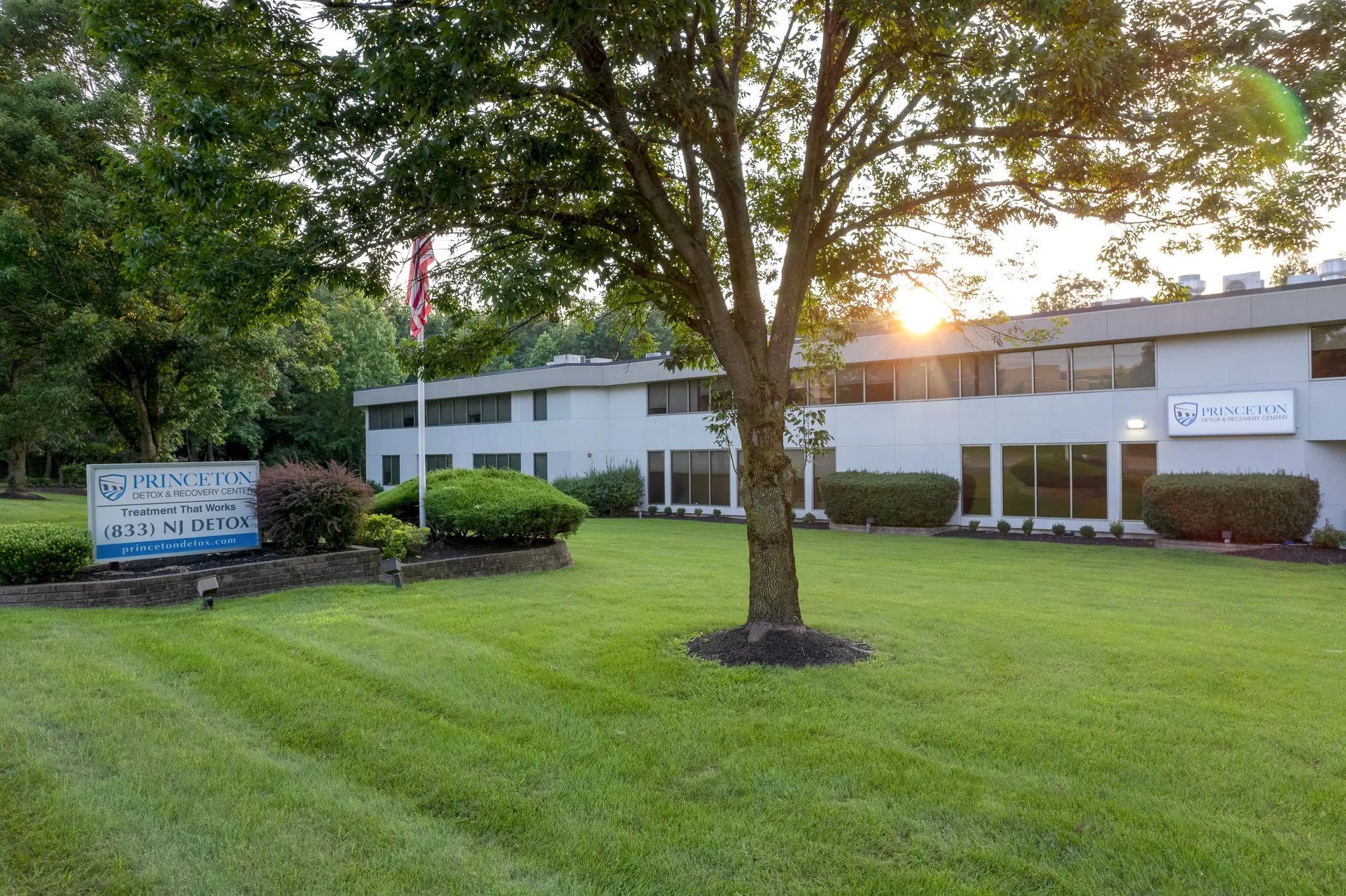
Monmouth Junction, NJ
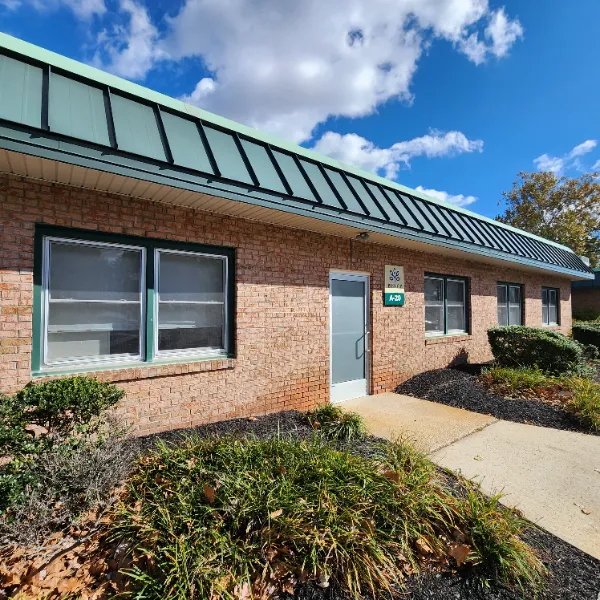
Lawrenceville, NJ

Saddle Brook, NJ

Towaco, NJ
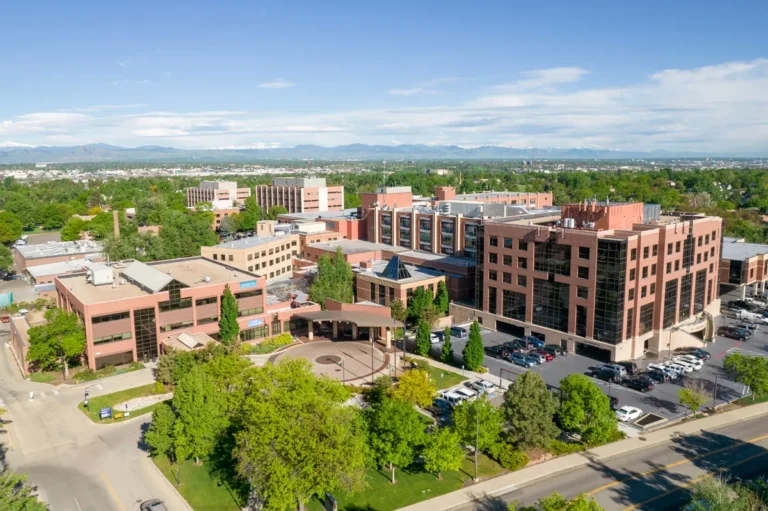
Denver, CO

Plano, TX

Delray Beach, FL

Boynton Beach, FL
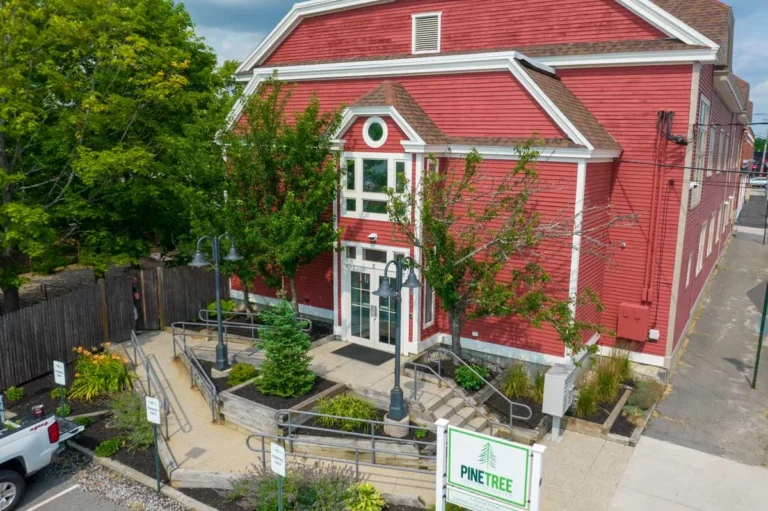
Portland, ME

Westbrook, ME

Tampa, FL

Medical Disclaimer:
The information provided on this website is intended solely for educational and informational purposes. Guardian Recovery aims to improve the quality of life for individuals struggling with substance use or mental health disorders by offering fact-based content about behavioral health conditions, treatment options, and related outcomes. However, this information should not be considered a substitute for professional medical advice, diagnosis, or treatment.
Important Notes:
The content on this site is believed to be current and accurate at the time of posting, but medical information is constantly evolving.
Always seek the advice of your physician or other qualified healthcare provider regarding any questions or concerns about your health or medical condition.
If you think you may have a medical emergency, call 911 or go to the nearest emergency room immediately.
Guardian Recovery does not provide free medical advice. For personalized treatment recommendations, please consult with a licensed healthcare professional.
By using this website, you acknowledge that you have read and understand this disclaimer. Guardian Recovery and its affiliates disclaim any liability for the use or interpretation of information contained herein. SEE TERMS AND CONDITIONS


Medical Disclaimer:
The information provided on this website is intended solely for educational and informational purposes. Guardian Recovery aims to improve the quality of life for individuals struggling with substance use or mental health disorders by offering fact-based content about behavioral health conditions, treatment options, and related outcomes. However, this information should not be considered a substitute for professional medical advice, diagnosis, or treatment.
Important Notes:
The content on this site is believed to be current and accurate at the time of posting, but medical information is constantly evolving.
Always seek the advice of your physician or other qualified healthcare provider regarding any questions or concerns about your health or medical condition.
If you think you may have a medical emergency, call 911 or go to the nearest emergency room immediately.
Guardian Recovery does not provide free medical advice. For personalized treatment recommendations, please consult with a licensed healthcare professional.
By using this website, you acknowledge that you have read and understand this disclaimer. Guardian Recovery and its affiliates disclaim any liability for the use or interpretation of information contained herein. SEE TERMS AND CONDITIONS
