




Anxiety can affect every part of a teenager’s life—from school performance and friendships to family relationships and self-confidence. While occasional stress and worry are a normal part of adolescence, persistent anxiety that interferes with daily functioning may indicate a more serious mental health condition requiring professional support.
At New Pathway Behavioral Health, we provide specialized adolescent anxiety treatment in New Jersey for teens ages 13–17 struggling with anxiety disorders, co-occurring mental health conditions, substance use, and emotional challenges. Our evidence-based, family-centered approach helps teens understand their anxiety, develop healthy coping skills, and regain confidence in themselves and their future.
Whether your child is experiencing overwhelming worry, panic attacks, social anxiety, or anxiety alongside depression or substance use, our team is here to help them find lasting healing and resilience.
Anxiety is more than occasional nervousness or stress. Anxiety disorders involve persistent feelings of fear, worry, or dread that can significantly impact a teen’s emotional well-being, relationships, academic performance, and daily life.
Anxiety disorders are among the most common mental health conditions affecting adolescents. According to national research, nearly one-third of teenagers experience an anxiety disorder before adulthood.
Without treatment, anxiety can worsen over time and increase the risk of depression, self-harm, substance use, academic difficulties, and social withdrawal.
Our clinical team treats a wide range of anxiety disorders commonly seen in teenagers, including:
Persistent and excessive worry about school, family, friendships, health, or everyday situations, often without a specific cause.
An intense fear of being judged, embarrassed, or rejected in social situations, making it difficult for teens to participate in school, activities, or relationships.
Recurring panic attacks involving sudden episodes of intense fear, rapid heartbeat, shortness of breath, dizziness, or feelings of losing control.
Excessive fear or distress when separated from parents, caregivers, or loved ones.
Intense fears related to specific objects, situations, or experiences that significantly disrupt daily functioning.
Many adolescents experience anxiety alongside depression, trauma-related disorders, ADHD, eating disorders, or substance use disorders.
Anxiety can present differently in adolescents than it does in adults. Many teens struggle to communicate what they are feeling, causing symptoms to appear as behavioral changes or physical complaints.
Common signs of anxiety in teens include:
If anxiety is interfering with your child’s ability to function at home, school, or socially, professional treatment may be beneficial.
Every teenager experiences stress. Academic pressures, friendships, sports, family dynamics, and preparing for adulthood naturally create challenges.
However, anxiety may require treatment when it:
Early intervention can prevent symptoms from worsening and help teens develop healthy coping skills before anxiety becomes more severe.
Anxiety is often influenced by a combination of biological, environmental, and psychological factors.
Potential contributors include:
Teens with a family history of anxiety disorders or other mental health conditions may have a higher risk of developing anxiety.
Differences in neurotransmitters and stress-response systems can contribute to anxiety symptoms.
High expectations, performance concerns, and college preparation can create significant stress for adolescents.
Bullying, peer conflict, social media pressures, and relationship difficulties can contribute to anxiety.
Past trauma, grief, family conflict, or significant life changes may increase vulnerability to anxiety disorders.
Anxiety often occurs alongside depression, ADHD, PTSD, and other behavioral health disorders.
Many teenagers attempt to manage anxiety symptoms through unhealthy coping mechanisms, including drugs or alcohol.
While substances may temporarily numb feelings of fear or worry, they often worsen anxiety over time and can lead to dependence or addiction.
Commonly, adolescents may use substances to:
When anxiety and substance use occur together, a comprehensive dual diagnosis approach is essential.
At New Pathway Behavioral Health, we address both conditions simultaneously to support lasting recovery and long-term emotional wellness.
Our adolescent anxiety treatment program in New Jersey combines evidence-based therapies, psychiatric care, family involvement, and holistic wellness strategies to help teens achieve meaningful recovery.
Treatment begins with a thorough clinical evaluation to understand:
This assessment allows us to develop a personalized treatment plan tailored to your teen’s unique needs.
CBT is one of the most effective treatments for adolescent anxiety.
Through CBT, teens learn how to:
CBT provides practical tools that teens can continue using long after treatment ends.
DBT helps adolescents strengthen:
DBT is particularly beneficial for teens experiencing anxiety alongside depression, self-harm behaviors, or emotional dysregulation.
Anxiety affects the entire family system.
Family therapy helps:
We believe parents and caregivers play an essential role in their child’s recovery process.
Group sessions provide teens with opportunities to:
Peer support can be a powerful part of the healing process.
For some adolescents, medication may be recommended as part of a comprehensive treatment plan.
Our psychiatric providers carefully evaluate each teen and provide ongoing medication management when appropriate.
Medication decisions are made collaboratively with families and are regularly monitored to ensure safety and effectiveness.
Healing extends beyond symptom reduction.
Our holistic services may include:
These approaches help teens build resilience and develop sustainable coping strategies.
Families throughout New Jersey trust New Pathway Behavioral Health because we offer:
Our goal is not simply to reduce symptoms—it is to help teens build the confidence, skills, and emotional foundation needed for long-term success.
If your teen is struggling with anxiety, panic attacks, overwhelming worry, or anxiety-related substance use, professional support can make a life-changing difference.
At New Pathway Behavioral Health, we help adolescents and families navigate anxiety with compassion, expertise, and evidence-based care.
Contact our team today to learn more about our adolescent anxiety treatment program in New Jersey, verify insurance benefits, and take the first step toward healing.
We accept most major insurance plans to make treatment more accessible.

Chat live with a treatment advisor to confirm your insurance benefits and explore your treatment options.
Get clear answers to frequently asked questions about treating teen anxiety, including how it works, what to expect, and how to support long-term recovery.
While occasional stress and worry are a normal part of adolescence, professional treatment may be beneficial if anxiety is persistent, interferes with school or relationships, causes panic attacks, leads to avoidance behaviors, or significantly impacts your teen’s daily life and well-being.
New Pathway Counseling treats a range of anxiety disorders in adolescents, including generalized anxiety disorder (GAD), social anxiety disorder, panic disorder, separation anxiety disorder, specific phobias, and anxiety that occurs alongside other mental health or substance use disorders.
Treatment typically includes a combination of evidence-based therapies, individual counseling, group therapy, family therapy, psychiatric support when needed, and holistic approaches that help teens develop healthy coping skills and emotional resilience.
Yes. Many teens struggling with anxiety may turn to drugs or alcohol in an attempt to manage uncomfortable emotions. When anxiety and substance use occur together, treatment should address both conditions simultaneously through an integrated dual diagnosis approach.
Not every teen requires medication. Treatment recommendations are based on a comprehensive clinical assessment. If medication may be beneficial, our psychiatric team works closely with families to determine the safest and most effective options.
Family support is an important part of recovery. Family therapy helps improve communication, strengthen relationships, educate caregivers about anxiety, and create a supportive environment that encourages lasting progress.
Every teen’s journey is different. The length of treatment depends on the severity of symptoms, the presence of co-occurring conditions, treatment goals, and the individual’s progress throughout care.
Many insurance plans may cover adolescent mental health treatment. Our admissions team can verify your benefits, explain coverage options, and help you understand any potential out-of-pocket costs.
If anxiety is causing significant distress, affecting daily activities, contributing to substance use, or preventing your teen from functioning normally at home, school, or socially, it’s important to seek professional support as soon as possible.
Contact New Pathway for a confidential assessment. Our team can answer your questions, discuss treatment options, verify insurance coverage, and help determine the best path forward for your teen and family.

Our medically supervised detox program in New Jersey provides 24/7 clinical monitoring to help individuals safely withdraw from drugs or alcohol. Using evidence-based protocols and medication-assisted support when appropriate, our medical team focuses on stabilizing withdrawal symptoms and preparing individuals for the next stage of recovery.

Residential treatment provides 24-hour clinical care in a structured recovery environment. Individuals receive therapy, medical support, and recovery education designed to help them build healthy routines and a strong foundation for long-term sobriety.

Our Intensive Outpatient Program offers structured addiction treatment while allowing individuals to live at home and maintain daily responsibilities. Through therapy, skill-building, and clinical support, IOP helps individuals continue strengthening their recovery after detox or residential care.
Guardian Recovery offers a full continuum of care between our nationwide facilities; including PHP, IOP, and Aftercare. Explore our nationwide network of locations to learn more about our programs.
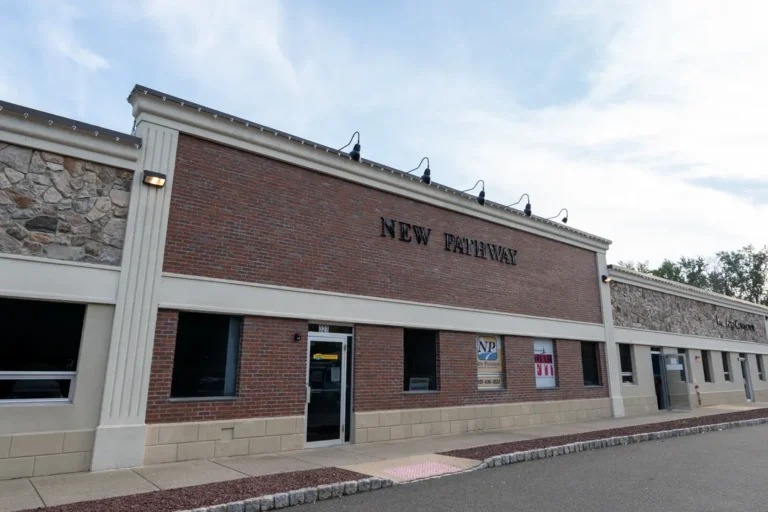
Pine Brook, NJ
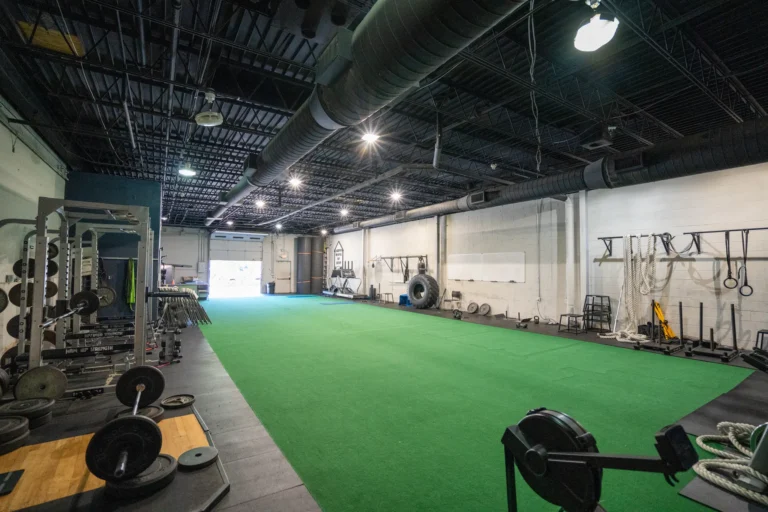
Paramus, NJ
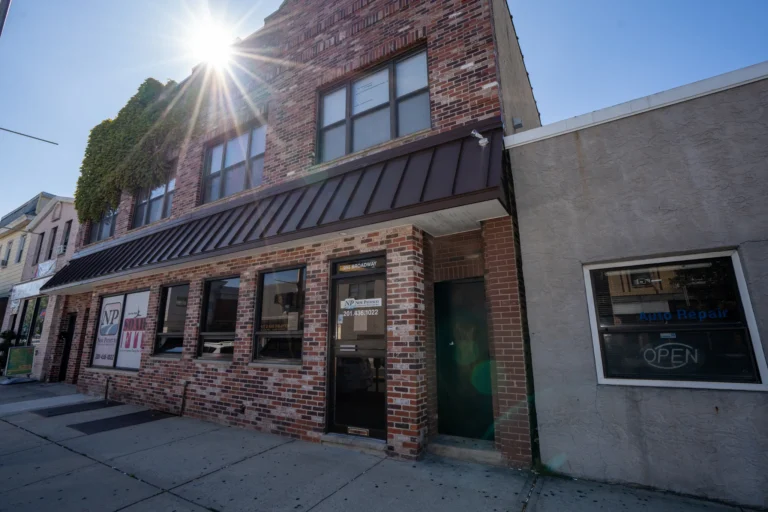
Bayonne, NJ
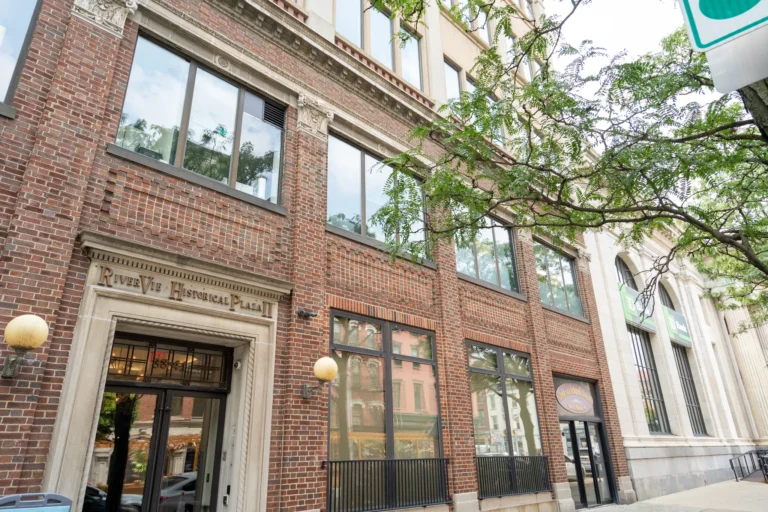
Hoboken, NJ
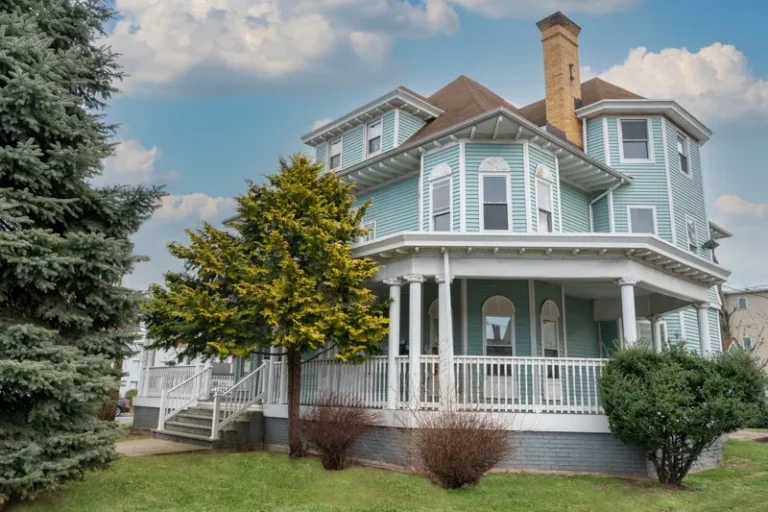
New Brunswick, NJ

Plymouth, NH
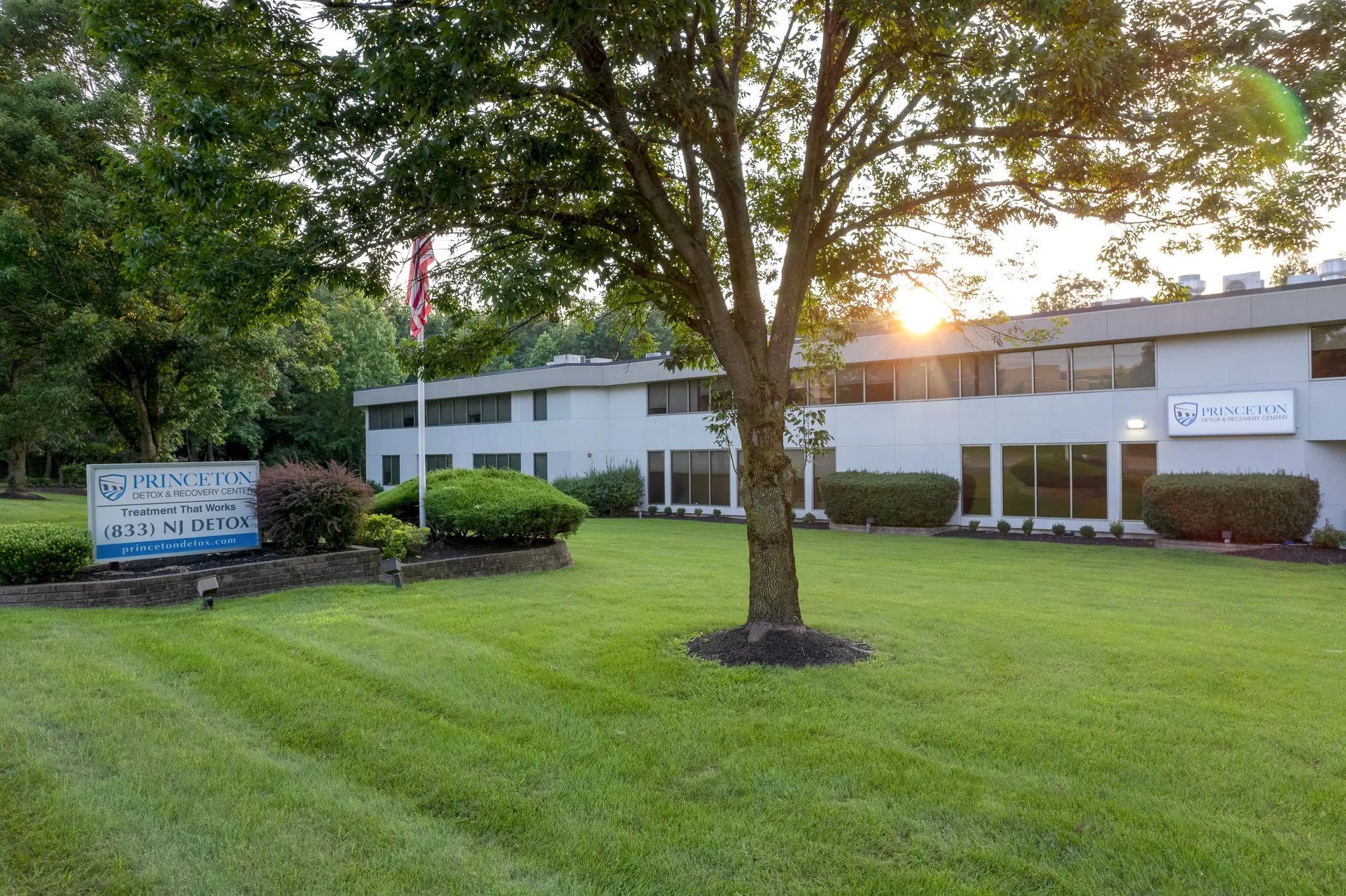
Monmouth Junction, NJ
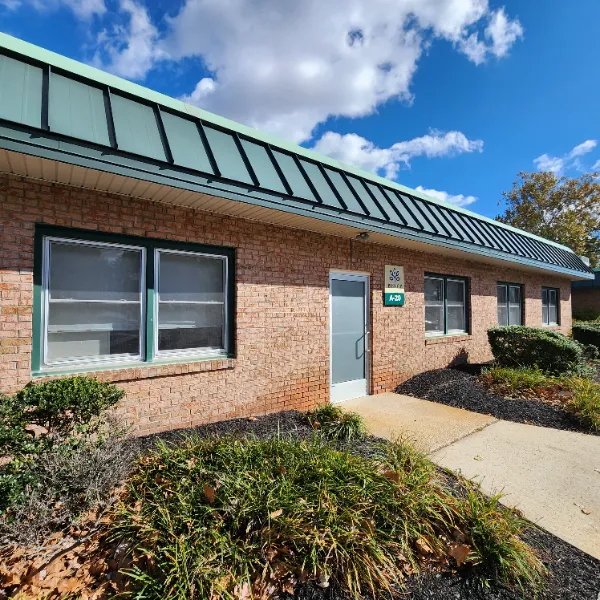
Lawrenceville, NJ

Saddle Brook, NJ
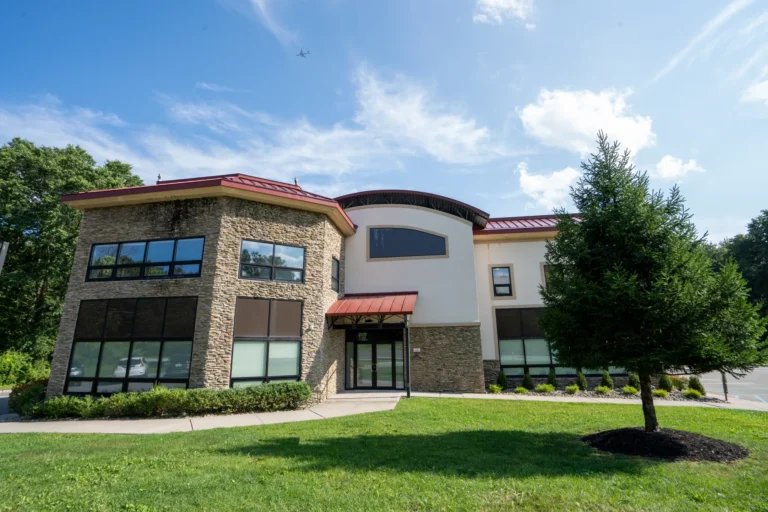
Towaco, NJ
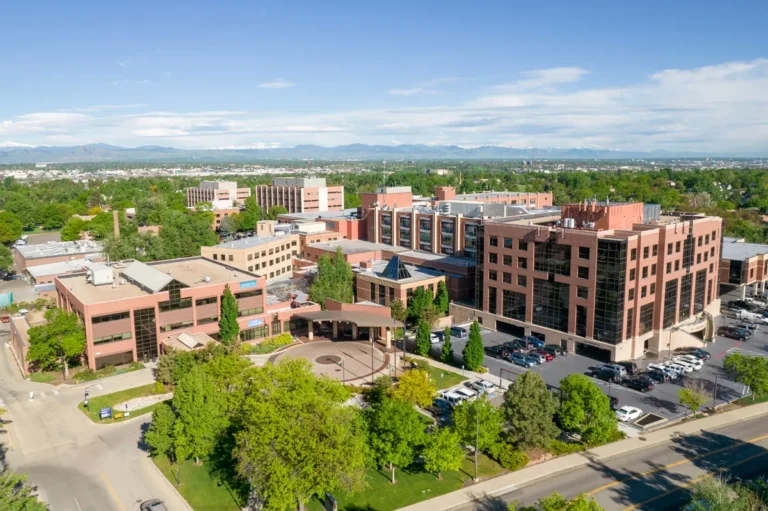
Denver, CO

Plano, TX

Delray Beach, FL

Boynton Beach, FL
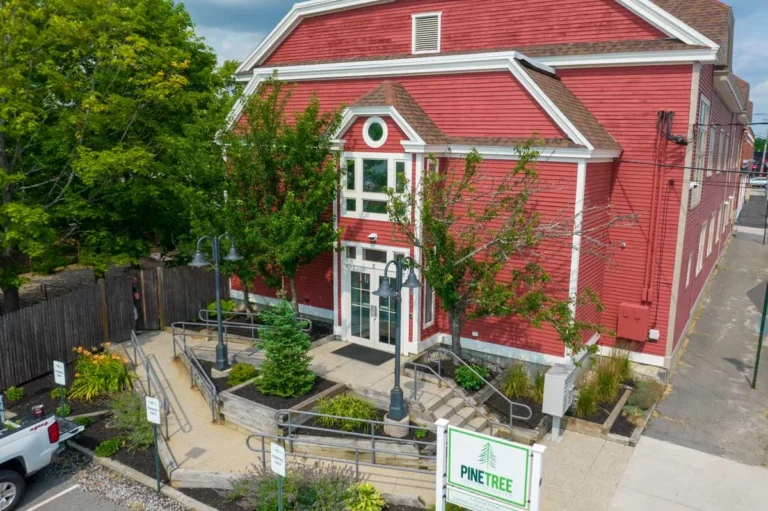
Portland, ME
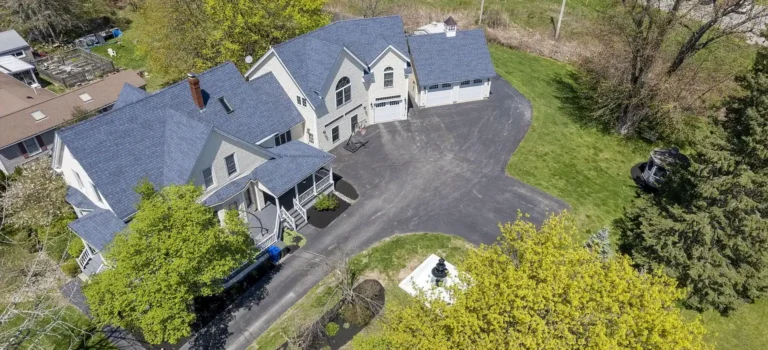
Westbrook, ME

Tampa, FL

Medical Disclaimer:
The information provided on this website is intended solely for educational and informational purposes. Guardian Recovery aims to improve the quality of life for individuals struggling with substance use or mental health disorders by offering fact-based content about behavioral health conditions, treatment options, and related outcomes. However, this information should not be considered a substitute for professional medical advice, diagnosis, or treatment.
Important Notes:
The content on this site is believed to be current and accurate at the time of posting, but medical information is constantly evolving.
Always seek the advice of your physician or other qualified healthcare provider regarding any questions or concerns about your health or medical condition.
If you think you may have a medical emergency, call 911 or go to the nearest emergency room immediately.
Guardian Recovery does not provide free medical advice. For personalized treatment recommendations, please consult with a licensed healthcare professional.
By using this website, you acknowledge that you have read and understand this disclaimer. Guardian Recovery and its affiliates disclaim any liability for the use or interpretation of information contained herein. SEE TERMS AND CONDITIONS


Medical Disclaimer:
The information provided on this website is intended solely for educational and informational purposes. Guardian Recovery aims to improve the quality of life for individuals struggling with substance use or mental health disorders by offering fact-based content about behavioral health conditions, treatment options, and related outcomes. However, this information should not be considered a substitute for professional medical advice, diagnosis, or treatment.
Important Notes:
The content on this site is believed to be current and accurate at the time of posting, but medical information is constantly evolving.
Always seek the advice of your physician or other qualified healthcare provider regarding any questions or concerns about your health or medical condition.
If you think you may have a medical emergency, call 911 or go to the nearest emergency room immediately.
Guardian Recovery does not provide free medical advice. For personalized treatment recommendations, please consult with a licensed healthcare professional.
By using this website, you acknowledge that you have read and understand this disclaimer. Guardian Recovery and its affiliates disclaim any liability for the use or interpretation of information contained herein. SEE TERMS AND CONDITIONS
